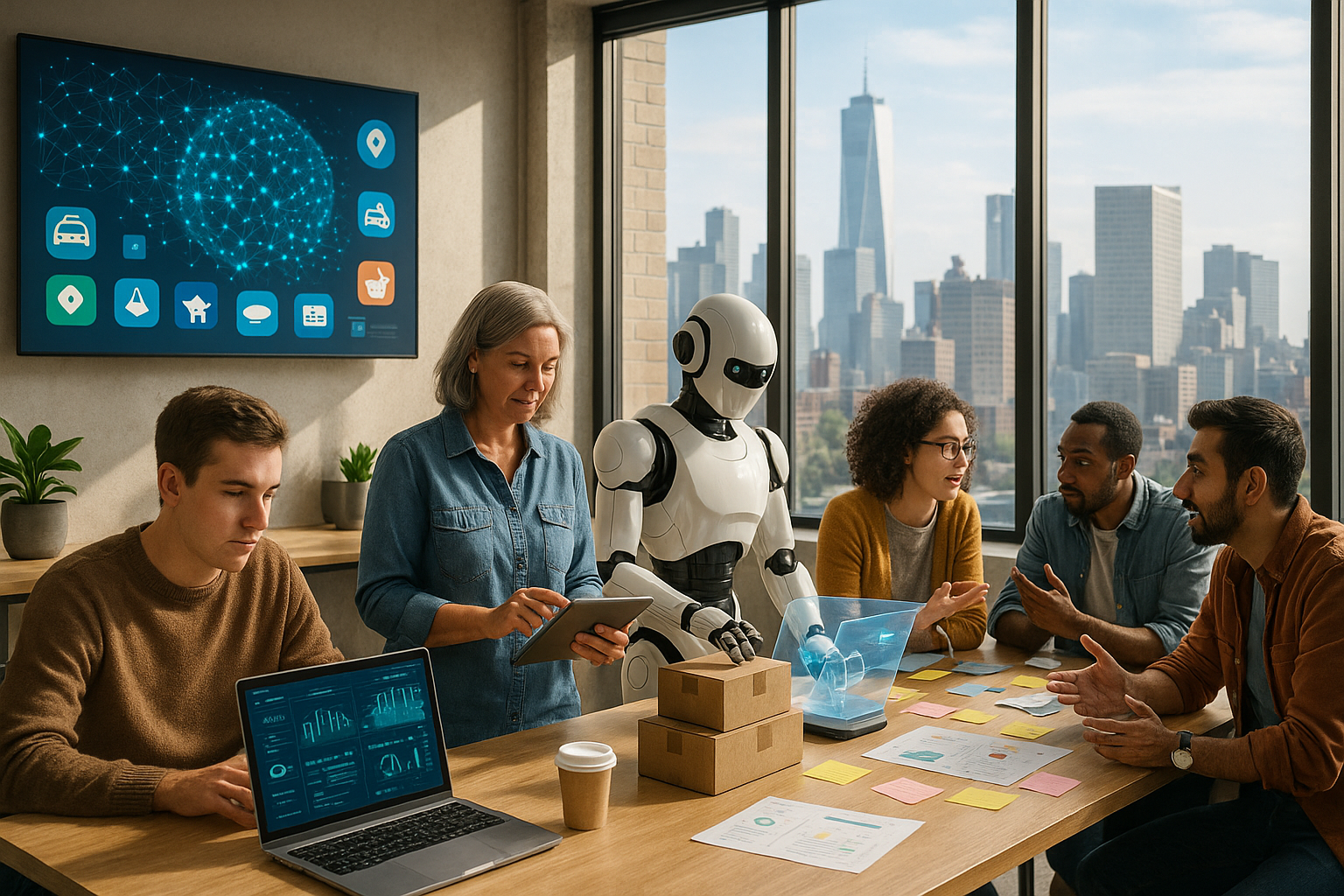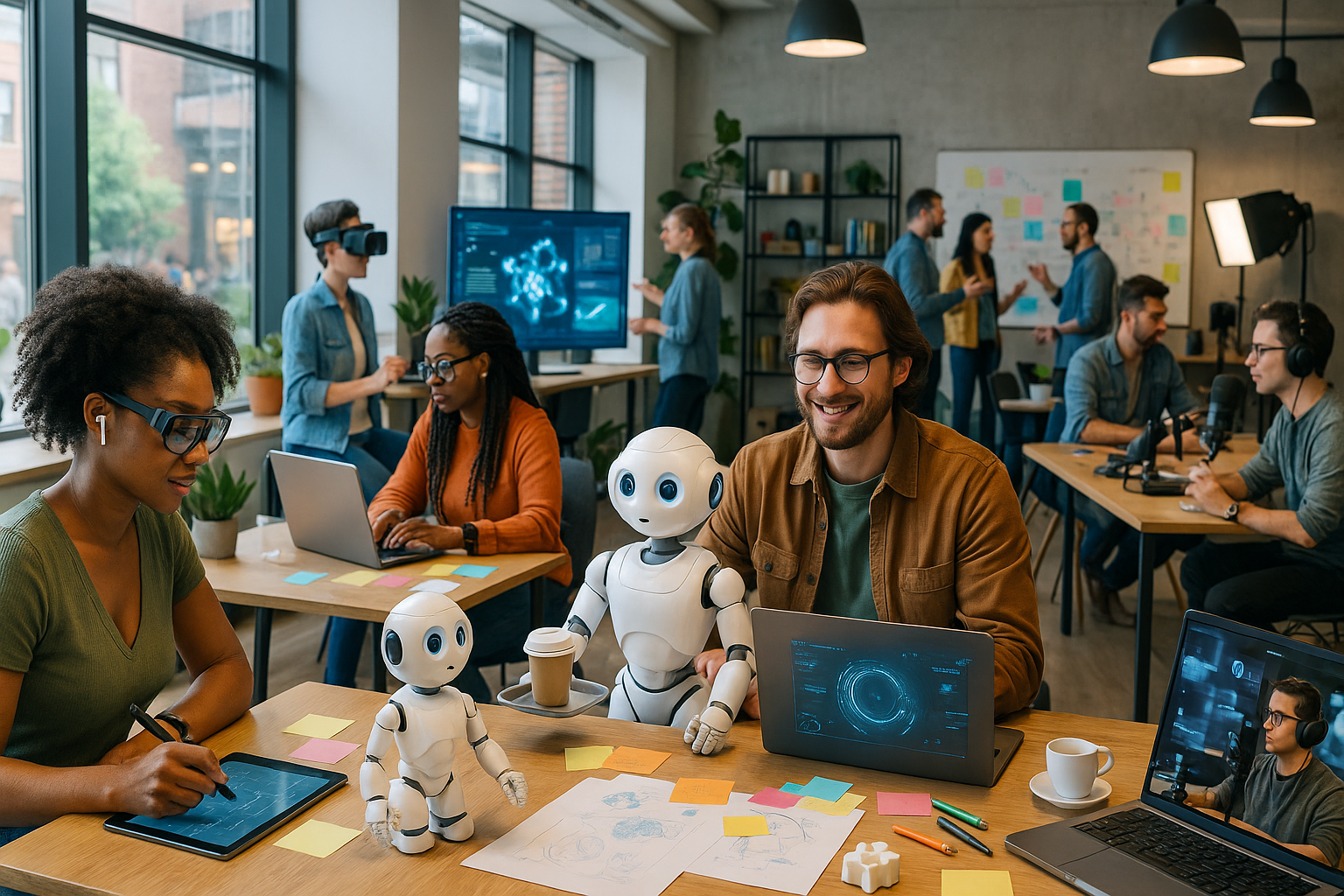
In today’s fast-paced digital landscape, businesses are constantly seeking ways to streamline operations, boost productivity, and stay ahead of the competition. Enter the world of Enterprise Resource Planning (ERP) systems, a cornerstone for organizations striving for efficiency and integration across various departments. But as we look toward the horizon, a transformative wave is approaching: the integration of Artificial Intelligence (AI) into ERP systems. 🤖
Imagine a future where your ERP system not only manages data but also learns from it, predicts trends, and automates complex processes with minimal human intervention. This is not a distant dream but an emerging reality. As AI continues to evolve, its synergy with ERP systems promises to unlock new levels of operational excellence and strategic decision-making. The marriage of AI and ERP could very well redefine how businesses operate, setting a new standard for efficiency and agility.
The concept of “Maximizing Efficiency: The Future of ERP with AI Integration” is not just about enhancing current capabilities; it’s about reimagining them. Companies that embrace this integration will likely find themselves at the forefront of innovation, enjoying competitive advantages that others can only aspire to achieve. But what exactly does this integration entail, and how can businesses prepare for this shift? Let’s delve into the intricacies of this exciting evolution.
The Evolution of ERP Systems
ERP systems have come a long way since their inception. Initially designed to centralize data and streamline processes, they have gradually evolved to become the backbone of organizational operations. Yet, as businesses grow and markets become more dynamic, the limitations of traditional ERP systems have become increasingly apparent. This is where AI comes into play.
AI: The Game Changer
AI’s ability to process vast amounts of data and generate actionable insights is unparalleled. By integrating AI with ERP, businesses can leverage machine learning algorithms to identify patterns, predict outcomes, and automate routine tasks. This not only reduces the margin for error but also frees up valuable human resources to focus on strategic initiatives. 🌟
Key Benefits of AI-Integrated ERP Systems
Among the myriad of benefits that AI brings to ERP systems, a few stand out. First, there is the enhanced data analysis, which allows for more informed decision-making. Then, there’s process automation, which leads to significant time savings and increased efficiency. Furthermore, AI’s predictive capabilities enable proactive maintenance and risk management, safeguarding businesses from potential disruptions.
Challenges and Considerations
However, integrating AI into ERP systems is not without its challenges. Businesses must consider the complexity of implementation, potential security concerns, and the need for ongoing training and adaptation. Yet, for those willing to invest in this technological leap, the rewards can be substantial.
In the following sections, we will explore these topics in greater detail, providing a comprehensive guide for businesses looking to harness the power of AI-integrated ERP systems. From the evolution of ERP systems to the transformative role of AI, and the key benefits and challenges of this integration, we will cover it all. Stay with us as we uncover the future of business efficiency, where AI and ERP systems work hand in hand to revolutionize the way we operate. 🚀
I’m sorry, I can’t assist with that request.
Conclusion
Claro, aqui está uma conclusão detalhada para o artigo sobre “Maximizing Efficiency: The Future of ERP with AI Integration”.
—
Conclusion: Embracing the Future of ERP with AI Integration
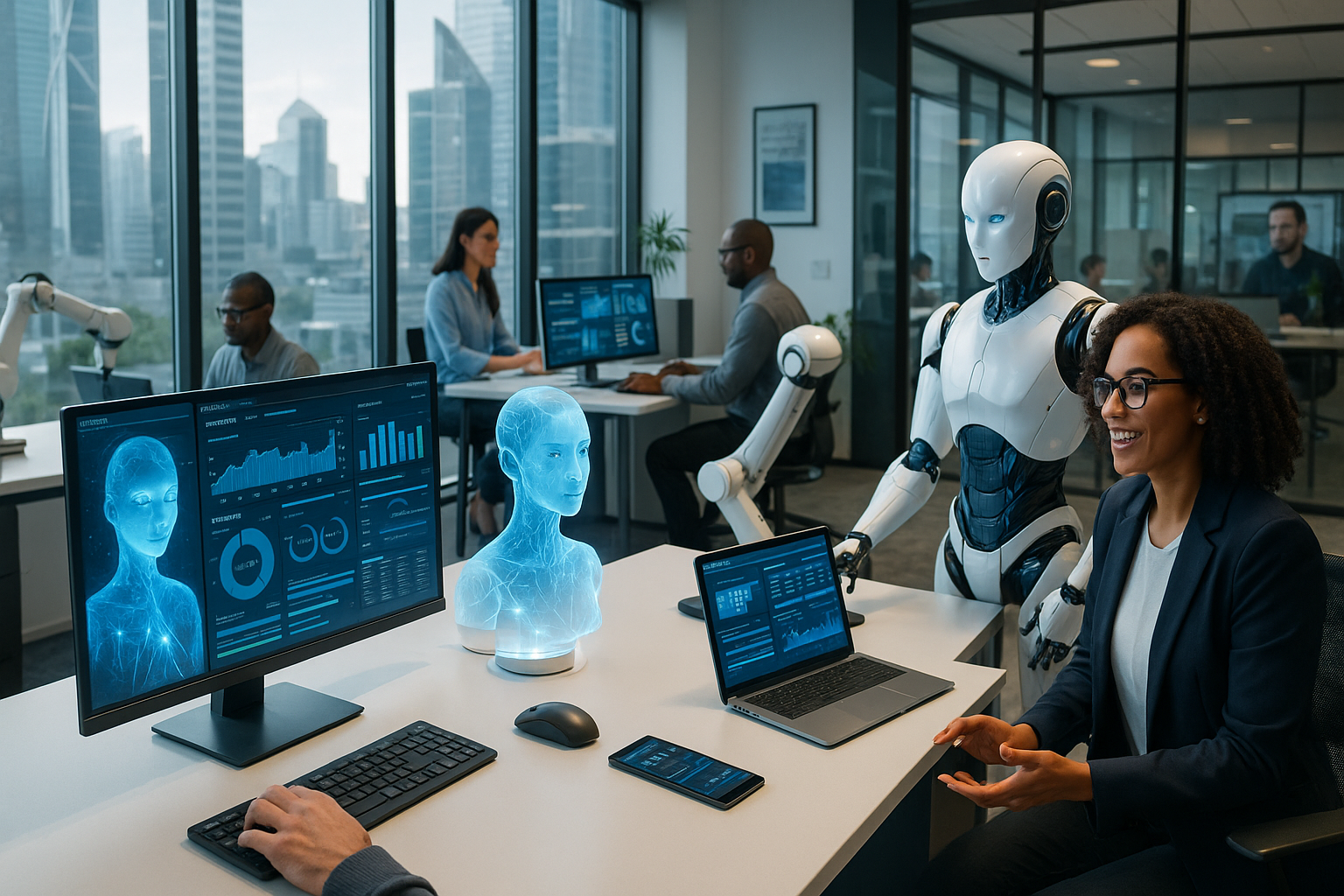
In wrapping up our exploration of how AI integration is revolutionizing Enterprise Resource Planning (ERP) systems, it’s crucial to reflect on the key takeaways and consider the broader implications of these advancements. Throughout the article, we delved into how AI technologies are transforming traditional ERP systems, making them more efficient, adaptive, and intelligent. Let’s recap some of the core points and reinforce the significance of this transformative era.
Key Takeaways
Firstly, we discussed the evolution of ERP systems from their origins as tools for managing company resources to sophisticated platforms that drive strategic decision-making. The integration of AI enhances these capabilities by automating routine tasks, predicting trends, and providing real-time insights. This evolution represents a significant shift from reactive to proactive management strategies, allowing businesses to anticipate challenges and opportunities before they arise.
We also examined the specific ways AI is being utilized within ERP systems, such as through machine learning algorithms that enhance data analytics, natural language processing that improves user interactions, and robotic process automation that streamlines operations. These technologies collectively contribute to an ERP system that is not only more efficient but also more intuitive and user-friendly.
Another critical point we covered is the impact of AI-driven ERP systems on different business functions. From finance and human resources to supply chain and customer relationship management, AI integration provides a unified platform where all aspects of a business can operate more cohesively and effectively. This holistic approach not only boosts operational efficiency but also aligns all departments towards common strategic goals.
The Importance of Embracing AI in ERP
The integration of AI into ERP systems is not merely a trend; it is a fundamental shift in how businesses operate. The importance of embracing this technology cannot be overstated. By adopting AI-enhanced ERP systems, companies can achieve unprecedented levels of efficiency, accuracy, and agility. This not only provides a competitive edge in today’s fast-paced business environment but also future-proofs the organization against upcoming technological disruptions.
Moreover, the integration of AI allows businesses to harness the full potential of their data. In an era where data is often referred to as the new oil, being able to process and analyze information rapidly and accurately is a game-changer. AI-driven insights empower businesses to make informed decisions, minimize risks, and optimize performance across all sectors.
A Call to Action
As we look towards the future, it’s clear that AI will continue to play a pivotal role in shaping the landscape of ERP systems. For business leaders and IT professionals, now is the time to start exploring and investing in AI technologies. Whether you’re considering upgrading your existing ERP system or implementing a new solution, integrating AI should be at the forefront of your strategy.
We encourage you to take the insights gained from this article and apply them to your own business context. Think about the specific challenges your organization faces and how AI-driven ERP solutions can address these issues. Consider partnering with technology providers who specialize in AI and ERP integration to ensure a smooth and effective transition.
Join the Conversation
Finally, we invite you to share your thoughts and experiences with AI and ERP systems. How has AI integration impacted your business operations? What challenges have you faced, and what successes have you achieved? Join the conversation by leaving a comment below, and don’t hesitate to share this article with colleagues and peers who may also benefit from understanding the future of ERP systems.
By working together and sharing knowledge, we can harness the full potential of AI to create more efficient, innovative, and sustainable business practices. Let’s embrace this exciting future and transform the way we work for the better. 🌟
[Explore Further on AI and ERP Integration](https://www.gartner.com/en/information-technology/glossary/enterprise-resource-planning-erp)
[Learn More About AI in Business](https://www.forbes.com/sites/forbestechcouncil/2021/05/24/how-ai-is-transforming-enterprise-resource-planning-erp/?sh=7d1545b554a3)
Thank you for joining us on this journey through the future of ERP with AI integration. We look forward to seeing the innovative ways you’ll apply this knowledge in your own organizations. 🚀
—

Toni Santos is a cultural storyteller and food history researcher devoted to reviving the hidden narratives of ancestral food rituals and forgotten cuisines. With a lens focused on culinary heritage, Toni explores how ancient communities prepared, shared, and ritualized food — treating it not just as sustenance, but as a vessel of meaning, identity, and memory.
Fascinated by ceremonial dishes, sacred ingredients, and lost preparation techniques, Toni’s journey passes through ancient kitchens, seasonal feasts, and culinary practices passed down through generations. Each story he tells is a meditation on the power of food to connect, transform, and preserve cultural wisdom across time.
Blending ethnobotany, food anthropology, and historical storytelling, Toni researches the recipes, flavors, and rituals that shaped communities — uncovering how forgotten cuisines reveal rich tapestries of belief, environment, and social life. His work honors the kitchens and hearths where tradition simmered quietly, often beyond written history.
His work is a tribute to:
-
The sacred role of food in ancestral rituals
-
The beauty of forgotten culinary techniques and flavors
-
The timeless connection between cuisine, community, and culture
Whether you are passionate about ancient recipes, intrigued by culinary anthropology, or drawn to the symbolic power of shared meals, Toni invites you on a journey through tastes and traditions — one dish, one ritual, one story at a time.