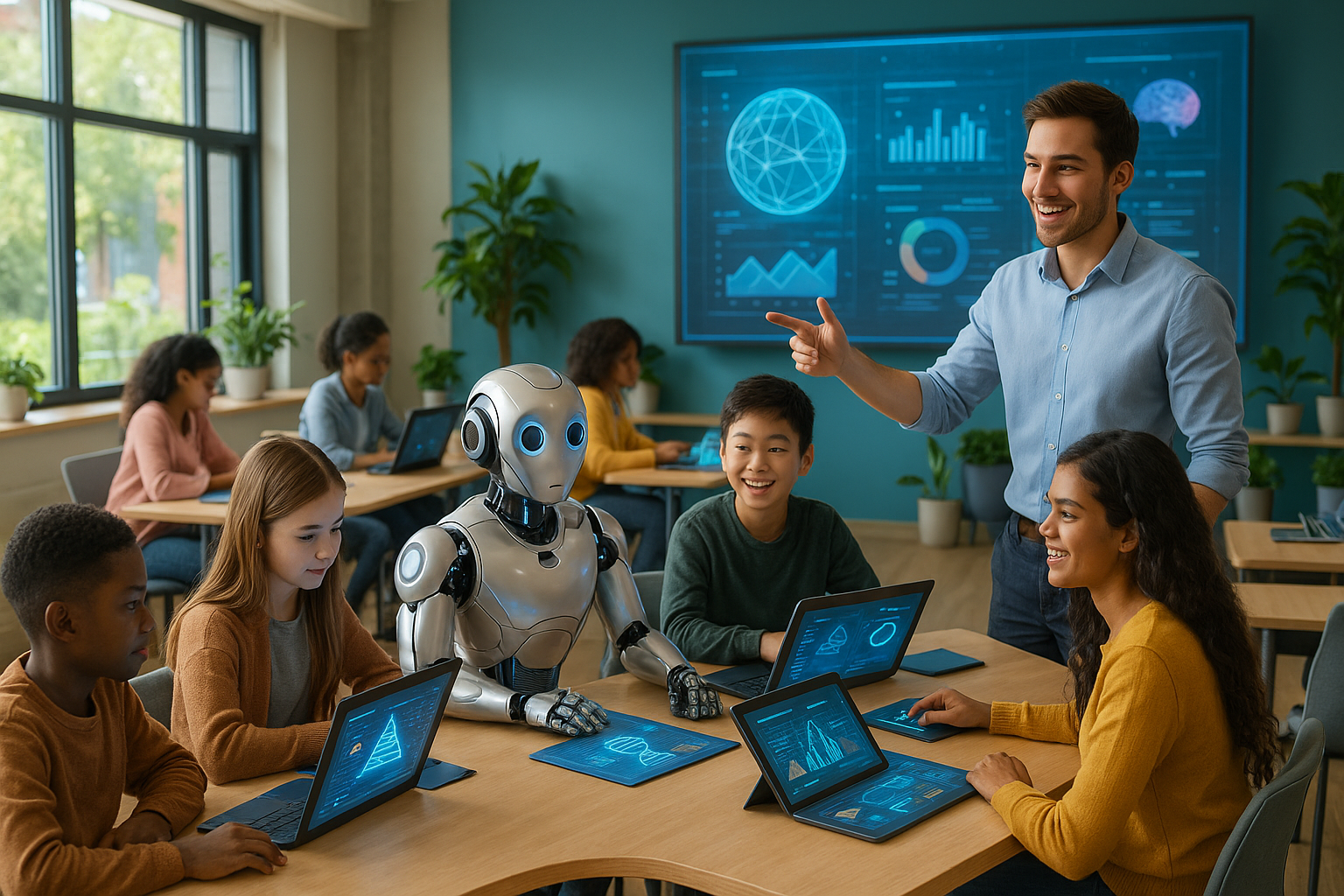
In the ever-evolving landscape of modern healthcare, a silent revolution is underway, one that promises to redefine the very fabric of medical diagnosis and treatment. Imagine a world where diseases are detected early, treatments are personalized to each individual’s genetic makeup, and healthcare professionals have access to real-time data and insights that empower them to make informed decisions. This world is rapidly becoming a reality, thanks to the transformative power of Artificial Intelligence (AI). 🌟
AI is not just a buzzword; it is a powerful tool that is reshaping industries across the globe, and healthcare is no exception. From machine learning algorithms that can predict patient outcomes to natural language processing systems that can sift through vast amounts of medical literature, AI is revolutionizing how we understand and approach health challenges. The implications are profound, offering hope for more accurate diagnoses, efficient treatments, and ultimately, better patient outcomes.
One of the most promising aspects of AI in healthcare is its ability to process and analyze vast datasets at unprecedented speeds. With the rise of electronic health records, medical imaging, and wearable technology, the amount of health-related data being generated is staggering. However, the real challenge lies in making sense of this data. This is where AI steps in, with its capacity to identify patterns and correlations that might elude even the most experienced professionals.
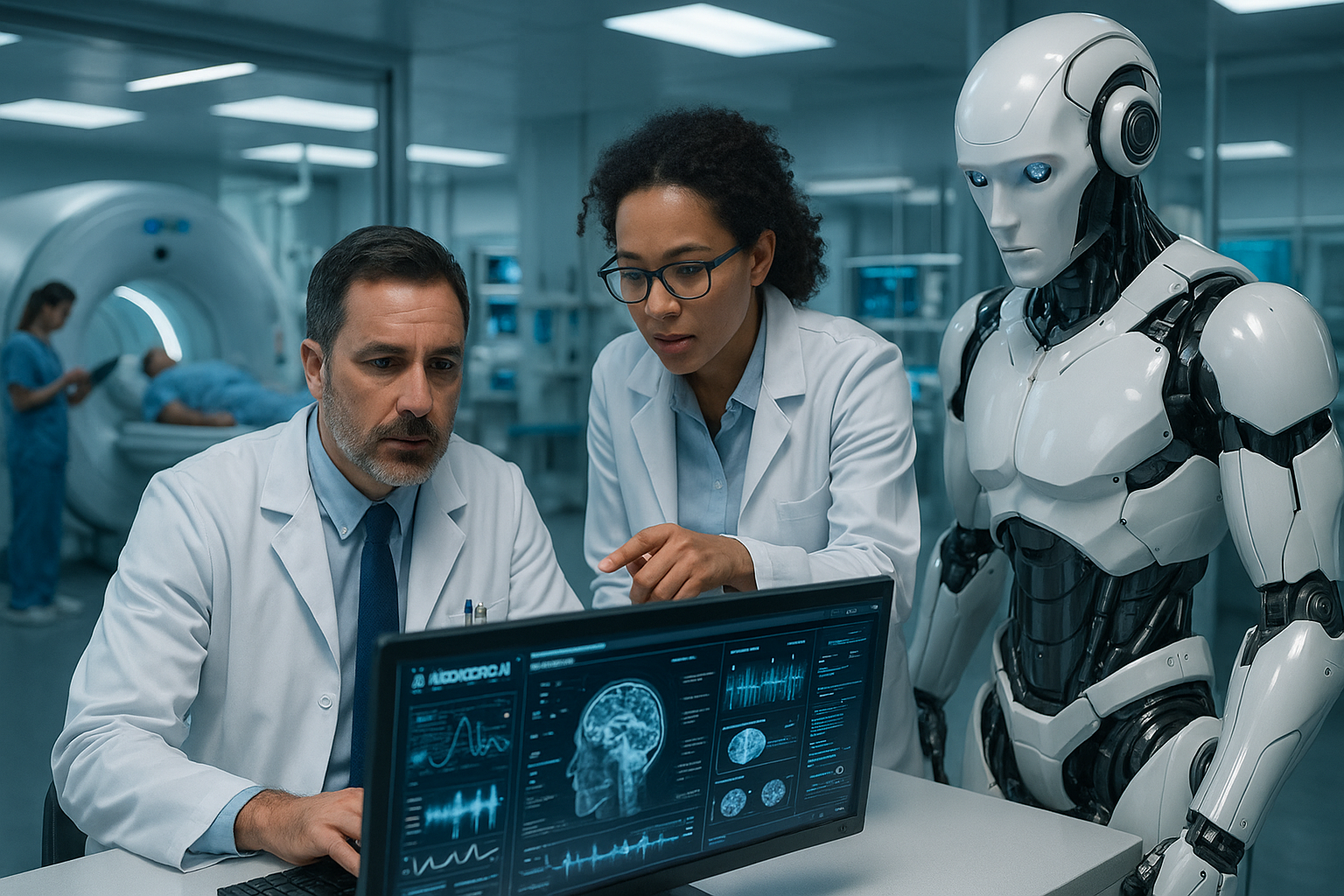
Consider, for instance, the field of medical imaging. Radiologists traditionally rely on their trained eyes and expertise to interpret X-rays, MRIs, and CT scans. However, AI-powered image recognition systems are now capable of analyzing these images with remarkable accuracy, often matching or surpassing human performance. This not only speeds up the diagnostic process but also reduces the risk of human error, ensuring that patients receive timely and precise care.
But AI’s impact extends far beyond diagnostics. It is also transforming treatment protocols and patient management. Personalized medicine, which tailors treatment to an individual’s unique genetic profile, is becoming increasingly feasible with AI. By analyzing a patient’s genetic data, AI can predict how they might respond to certain medications, enabling doctors to choose the most effective treatment with fewer side effects. This level of precision was once thought to be the realm of science fiction, but it is now within our grasp.
Moreover, AI is enhancing the way healthcare providers interact with patients. Chatbots and virtual health assistants, powered by natural language processing, are streamlining patient communication, triaging symptoms, and providing medical advice in real-time. This not only improves access to healthcare but also allows physicians to focus on more complex cases, optimizing the use of their expertise and time.
As we delve deeper into the transformative role of AI in healthcare, this article will explore the various ways AI is being integrated into medical practice. We will examine the challenges and ethical considerations that come with adopting AI technology, such as data privacy and the need for robust regulatory frameworks. Additionally, we will highlight case studies of successful AI implementations, providing insights into what the future holds for medical innovation.
The journey of integrating AI into healthcare is not without its hurdles, but the potential benefits are too significant to ignore. As we stand on the brink of this new era, it is crucial to understand both the capabilities and limitations of AI. This knowledge will empower stakeholders across the healthcare spectrum—from policymakers and practitioners to patients and technology developers—to harness AI’s potential responsibly and ethically. 🤖
Join us as we explore how AI is not only transforming the way we diagnose and treat diseases but also redefining the very essence of healthcare itself. Whether you are a healthcare professional eager to stay ahead of the curve, a tech enthusiast fascinated by AI’s capabilities, or a patient curious about the future of medicine, this article will provide valuable insights into the exciting and ever-evolving world of AI in healthcare.
Conclusion
As we navigate the rapidly evolving landscape of healthcare, it’s evident that AI is playing an increasingly pivotal role in reshaping how medical diagnoses and treatments are approached. Throughout this article, we have explored the transformative impact of AI, from enhancing diagnostic accuracy to personalizing treatment plans and streamlining healthcare operations. These advancements not only promise to improve patient outcomes but also to create more efficient and effective healthcare systems.
The integration of AI in medical diagnostics is perhaps one of the most groundbreaking developments. By leveraging machine learning algorithms and vast datasets, AI systems can now detect patterns and anomalies that might elude even the most experienced clinicians. This capability is particularly crucial in the early detection of diseases such as cancer, where early intervention can significantly enhance prognosis. Moreover, AI-driven diagnostic tools are becoming increasingly accessible, potentially democratizing healthcare and reducing disparities in access to quality care.
In terms of treatment, AI is revolutionizing the way personalized medicine is delivered. With the ability to analyze a patient’s genetic information, lifestyle, and other health data, AI can assist healthcare providers in tailoring treatments that are specifically suited to individual needs. This approach not only increases the efficacy of interventions but also minimizes potential side effects, leading to improved patient satisfaction and adherence to treatment regimens.
Furthermore, AI is streamlining healthcare operations, reducing administrative burdens, and allowing healthcare professionals to focus more on patient care. By automating routine tasks and optimizing resource allocation, AI technologies are helping healthcare facilities operate more efficiently, which is particularly important in an era of rising healthcare costs and resource constraints.
The importance of embracing AI in healthcare cannot be overstated. As these technologies continue to evolve, they hold the promise of not only advancing medical science but also addressing some of the most pressing challenges faced by healthcare systems worldwide. From reducing diagnostic errors to enabling more personalized and effective treatments, the potential benefits of AI are immense. 🌟
We encourage you, as readers, to remain informed and engaged with these developments. Whether you’re a healthcare professional, a patient, or simply an enthusiast, your understanding and input can contribute to shaping the future of AI in medicine. Share this article with your network, discuss these innovations, and consider how you might apply this knowledge in your context. Together, we can drive positive change and ensure that the benefits of AI in healthcare are realized by all. 🤝
For further reading and to explore this topic in more depth, consider checking out these resources:
- World Health Organization: Artificial Intelligence in Health
- Nature: The Future of Artificial Intelligence in Health Care
Thank you for joining us on this exploration of AI’s transformative potential in healthcare. We hope you found this discussion enlightening and inspiring.

Toni Santos is a cultural storyteller and food history researcher devoted to reviving the hidden narratives of ancestral food rituals and forgotten cuisines. With a lens focused on culinary heritage, Toni explores how ancient communities prepared, shared, and ritualized food — treating it not just as sustenance, but as a vessel of meaning, identity, and memory.
Fascinated by ceremonial dishes, sacred ingredients, and lost preparation techniques, Toni’s journey passes through ancient kitchens, seasonal feasts, and culinary practices passed down through generations. Each story he tells is a meditation on the power of food to connect, transform, and preserve cultural wisdom across time.
Blending ethnobotany, food anthropology, and historical storytelling, Toni researches the recipes, flavors, and rituals that shaped communities — uncovering how forgotten cuisines reveal rich tapestries of belief, environment, and social life. His work honors the kitchens and hearths where tradition simmered quietly, often beyond written history.
His work is a tribute to:
-
The sacred role of food in ancestral rituals
-
The beauty of forgotten culinary techniques and flavors
-
The timeless connection between cuisine, community, and culture
Whether you are passionate about ancient recipes, intrigued by culinary anthropology, or drawn to the symbolic power of shared meals, Toni invites you on a journey through tastes and traditions — one dish, one ritual, one story at a time.