In an era where the pace of technological advancement seems almost relentless, the synergy between human creativity and artificial intelligence (AI) is emerging as a transformative force. This fusion is not just a futuristic concept; it’s happening now, reshaping industries, and redefining the boundaries of innovation. 🌟 In this article, we’ll explore the dynamic world of Human-AI collaboration, delving into compelling case studies that illustrate its power and potential.
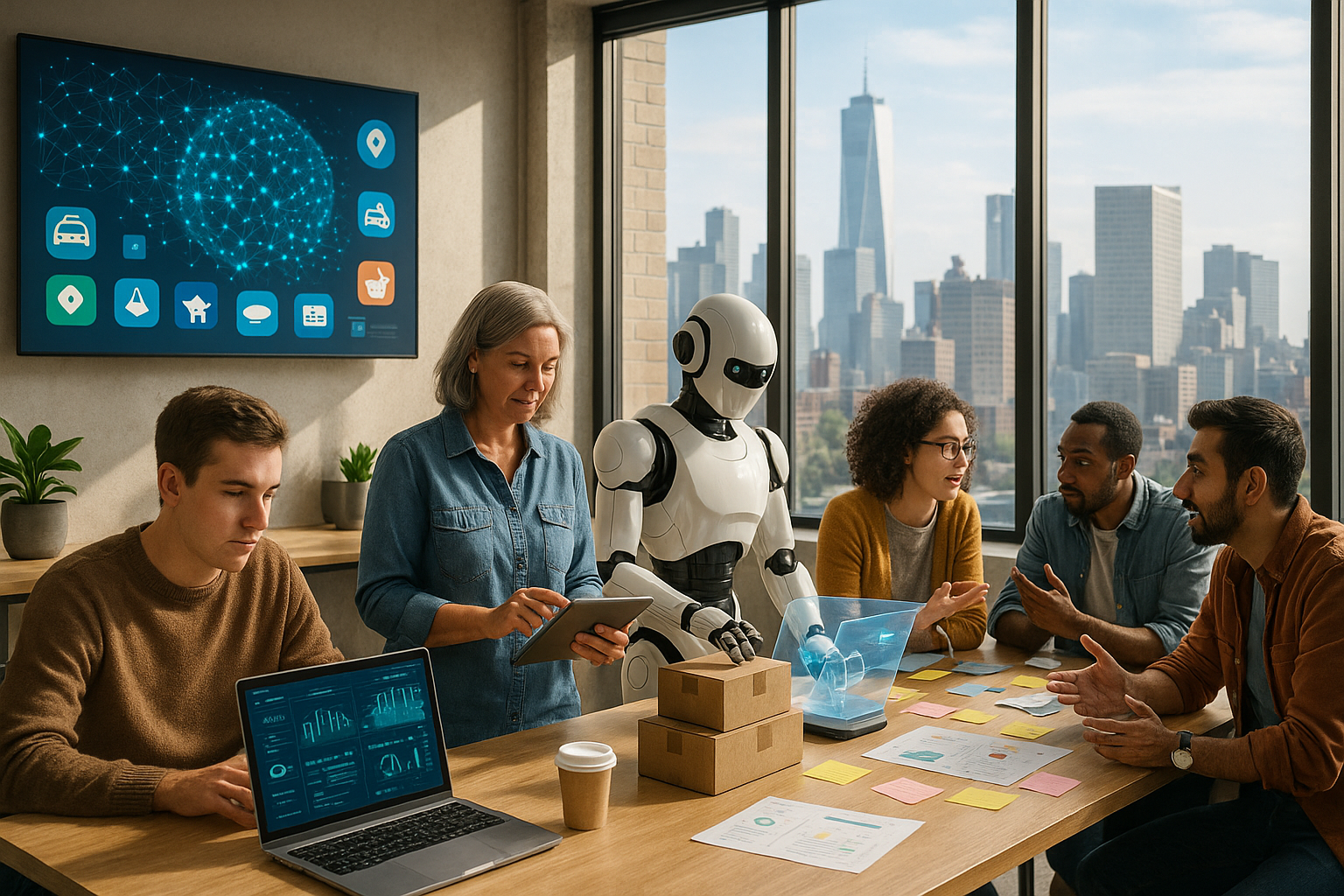
Imagine a world where machines and humans work together seamlessly, each enhancing the other’s strengths. It’s not about AI replacing humans, but rather augmenting our capabilities, allowing us to achieve feats that were once deemed impossible. This collaboration is the frontier of modern innovation, where the collective intelligence of humans and machines creates solutions that neither could develop alone.
At the heart of this synergy is the concept of “collaborative intelligence,” where AI handles data analysis and pattern recognition at a scale beyond human capacity, and humans bring creativity, empathy, and ethical considerations into the mix. This partnership is fostering a new wave of innovation across various fields, from healthcare to finance, and from education to entertainment.
In the realm of healthcare, Human-AI collaboration is revolutionizing diagnostics and treatment plans. AI algorithms can sift through massive datasets, identifying patterns and correlations that might elude even the most experienced professionals. Yet, it is the doctors who interpret these findings, considering nuances that only human judgment can provide. Together, they enhance patient outcomes and push the boundaries of medical science.
Meanwhile, in the finance sector, AI is transforming risk assessment and fraud detection. Algorithms can analyze market trends and detect anomalies in real-time, but it’s the analysts who provide the strategic foresight, understanding the broader economic impacts and making informed decisions that drive success. This human-AI partnership is making financial services more resilient and innovative.
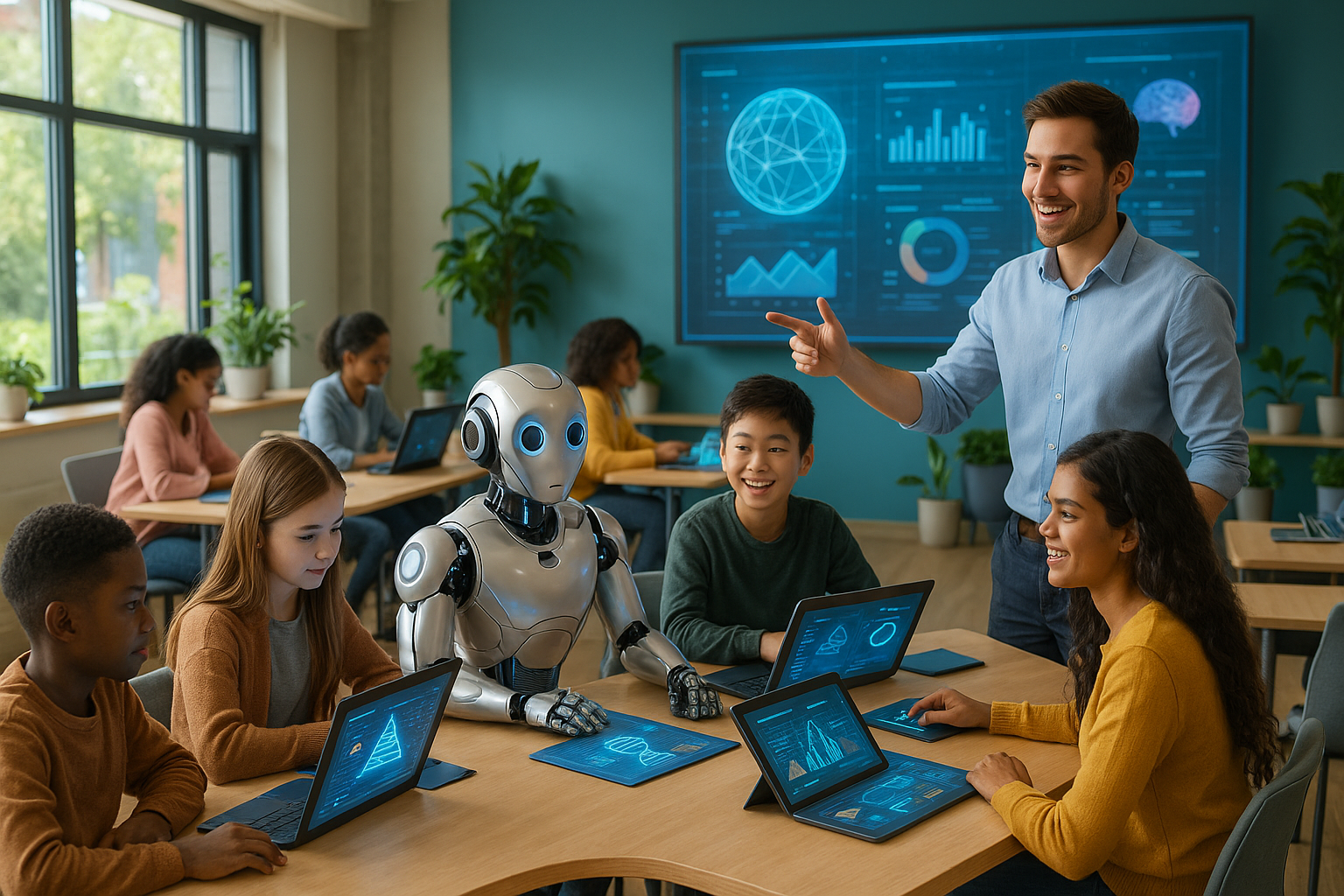
Education is another field ripe for transformation through Human-AI collaboration. Personalized learning experiences powered by AI can adapt to each student’s needs, while educators provide the personal touch and mentorship that machines cannot replicate. This combination is creating a more engaging and effective educational environment, tailored to foster each student’s unique talents and interests.
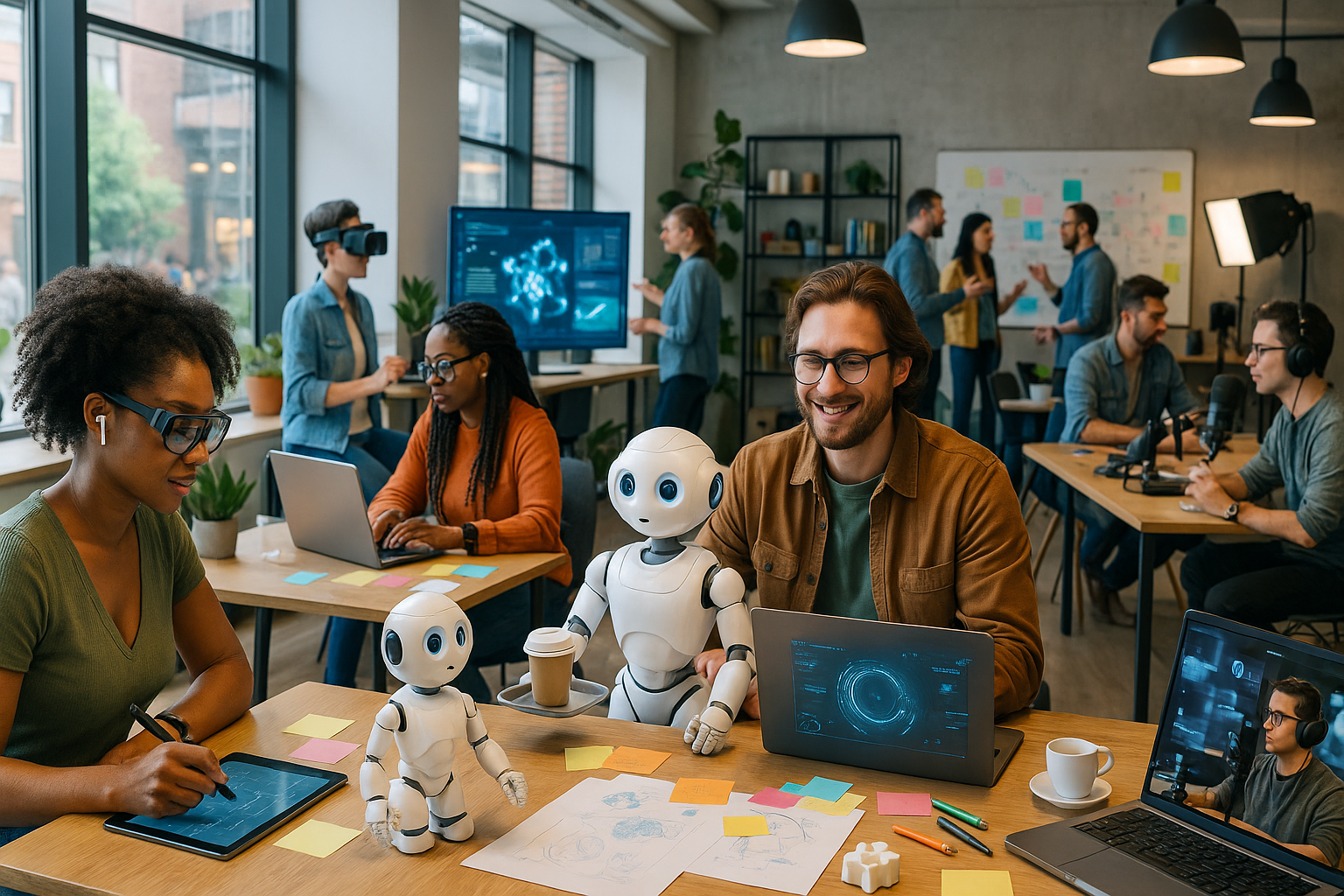
Entertainment is yet another arena where Human-AI collaboration is making waves. From creating music and art to developing video games and movies, AI provides tools that expand creative possibilities. Yet, it is human imagination that crafts compelling stories and experiences that resonate emotionally with audiences. Together, they are redefining what is possible in the world of creativity.
Throughout this article, we will dive deeper into these case studies, examining how Human-AI collaboration is not only enhancing existing processes but also creating entirely new opportunities. We’ll explore the challenges and ethical considerations that arise when integrating AI into human workflows, and how these can be navigated to ensure a harmonious and productive partnership. 🤝
Moreover, we’ll discuss the skills and mindsets necessary for thriving in this collaborative landscape. As AI continues to evolve, so too must we adapt, embracing lifelong learning and fostering an environment of open-mindedness and curiosity. This is not just about technological proficiency but also about developing the emotional intelligence and ethical frameworks that guide responsible innovation.
Join us on this journey through the transformative power of Human-AI collaboration, as we uncover how this partnership is shaping the future of innovation. Whether you’re a professional seeking to understand the implications for your industry, an academic exploring the theoretical underpinnings, or simply a curious reader eager to glimpse the future, this article offers insights and inspiration. Let’s explore the possibilities together. 🚀
I’m glad you’re interested in an article about the synergy between humans and AI in innovation. Here’s a draft based on your specifications:
—
The Dawn of Human-AI Synergy: Catalyzing Innovation
The potential of human and AI collaboration is immense, particularly in the realm of innovation. As we stand at the precipice of a new era in technological advancement, the synergy between human creativity and artificial intelligence’s analytical power presents opportunities previously unimaginable. This partnership is redefining industries, enhancing productivity, and sparking breakthroughs across various sectors.
One of the most compelling aspects of human-AI collaboration is its ability to combine the nuanced understanding of human intellect with the efficiency and speed of AI algorithms. Humans excel in areas such as emotional intelligence, ethical decision-making, and creative thinking, while AI systems are unmatched in processing vast amounts of data and identifying patterns. By leveraging these complementary strengths, organizations are not only optimizing their operations but also fostering an environment ripe for innovation.
To truly grasp the transformative power of this collaboration, let’s delve into specific case studies and examples that highlight how different industries are harnessing this potential. From healthcare to finance, and from art to technology, the integration of AI into human workflows is proving to be a game-changer. But first, let’s understand the foundational dynamics that make this collaboration so potent.
The Unique Strengths of Human and AI Collaboration
Human creativity is a wellspring of innovation, often characterized by a nonlinear thought process and the ability to synthesize diverse concepts. AI, on the other hand, excels in data-driven decision-making, capable of analyzing vast datasets with precision and speed. This unique blend of capabilities is what makes their collaboration so effective. The human brain is capable of associative thinking, creating novel connections, and understanding context, which are crucial in the initial stages of innovation. AI complements this by refining ideas, optimizing processes, and providing evidence-based insights.
The following table illustrates the complementary strengths of humans and AI in the innovation process:
| Human Strengths | AI Strengths |
| Emotional intelligence | Data processing and analysis |
| Creative thinking | Pattern recognition |
| Ethical decision-making | Predictive analytics |
| Contextual understanding | 24/7 availability and consistency |
By integrating AI into human-led processes, companies can unlock new potentials. AI algorithms can sift through massive data troves to uncover insights that might remain hidden to human eyes, while human workers can interpret these findings within the context of complex real-world situations. This partnership is not just about enhancing efficiency; it’s about pushing the boundaries of what is possible.
Case Study: AI and Human Collaboration in Healthcare 🏥
In the healthcare sector, the integration of AI and human expertise is revolutionizing patient care and medical research. One prominent example is the use of AI in diagnostic procedures. AI-powered systems, such as those using machine learning algorithms, have shown a remarkable ability to analyze medical images with a high degree of accuracy, often matching or exceeding the diagnostic capabilities of seasoned radiologists.
For instance, Google’s DeepMind has been instrumental in developing AI systems that can detect eye diseases from retinal scans with unprecedented accuracy. By collaborating with human experts, these AI systems are continuously learning and improving their diagnostic capabilities. This symbiosis not only speeds up the diagnosis process but also enhances the overall accuracy, reducing the likelihood of human error. Human doctors, armed with AI-generated insights, can focus on devising personalized treatment plans, leading to better patient outcomes.
Moreover, AI is facilitating drug discovery by analyzing vast databases of chemical compounds to identify potential new drugs. This dramatically reduces the time and cost associated with bringing new drugs to market. Pharmaceutical companies are leveraging AI to analyze clinical trial data more effectively, allowing researchers to identify patterns and correlations that might have otherwise gone unnoticed.
For a deeper dive into AI’s impact on healthcare, watch the informative video below:
The Future of AI in Medicine – Healthcare Analytics News
The Role of AI in Personalized Medicine
One of the most exciting applications of AI in healthcare is in the field of personalized medicine. By analyzing an individual’s genetic information, lifestyle data, and environmental factors, AI can help design personalized treatment plans that are tailored to the unique needs of each patient. This approach not only improves treatment efficacy but also minimizes side effects, leading to better patient satisfaction and outcomes.
- AI-powered platforms can analyze genetic data to identify patients who are at risk for certain diseases, enabling early intervention.
- Machine learning algorithms can predict how patients will respond to specific treatments, allowing doctors to choose the most effective therapies.
- By integrating data from various sources, AI systems can offer insights into the progression of diseases, aiding in timely and accurate decision-making.
The integration of AI in personalized medicine is not just a futuristic concept; it is already being implemented in clinics and hospitals worldwide. As AI technology continues to advance, its potential to transform healthcare becomes even more pronounced.
Financial Innovation: AI’s Role in Banking and Investment 💰
The financial sector has always been at the forefront of technological innovation, and AI is no exception. In recent years, the collaboration between human experts and AI systems has led to significant advancements in areas such as fraud detection, credit scoring, and investment management. By leveraging AI’s ability to process vast amounts of data in real-time, financial institutions are enhancing their decision-making processes and offering more personalized services to their clients.
One of the key areas where AI is making a difference is in fraud detection. AI systems can analyze transactional data to identify patterns indicative of fraudulent activity. By collaborating with human analysts, these systems can quickly flag suspicious transactions, enabling financial institutions to respond swiftly and mitigate potential losses.
Another significant application of AI in finance is in credit scoring. Traditional credit scoring models rely on a limited set of data points, which can sometimes lead to inaccurate assessments of a borrower’s creditworthiness. AI models, on the other hand, can analyze a wide range of data, including non-traditional data sources, to provide a more comprehensive and accurate assessment. This not only improves the accuracy of credit scores but also helps financial institutions extend credit to underserved populations.
AI-Driven Investment Strategies
Investment management is another area where AI is playing a transformative role. By analyzing historical market data and identifying patterns, AI systems can develop investment strategies that are data-driven and optimized for maximum returns. These systems can also monitor market conditions in real-time, allowing for dynamic adjustments to investment portfolios. As a result, investors can benefit from improved returns and reduced risks.
- AI algorithms can analyze market trends to identify investment opportunities and risks.
- Automated trading platforms use AI to execute trades based on predefined strategies, ensuring timely and efficient execution.
- AI systems can provide personalized investment advice by analyzing an investor’s risk tolerance and financial goals.
The partnership between AI and human financial experts is enhancing the capabilities of investment firms and providing investors with more robust tools to manage their portfolios. This collaboration is not only enhancing financial performance but also democratizing access to investment opportunities.
The Intersection of AI and Creativity: Art and Design 🎨
While AI’s impact on traditional industries like healthcare and finance is well-documented, its role in the realm of art and design is equally fascinating. The collaboration between human creativity and AI technology is pushing the boundaries of artistic expression and design innovation. From generating music to creating visual art, AI is proving to be a valuable tool for artists and designers worldwide.
One notable example of AI’s impact on the art world is the creation of AI-generated art. By training algorithms on vast datasets of existing artworks, AI systems can produce new pieces that mimic the styles of renowned artists or develop entirely new artistic styles. This has led to the emergence of a new genre of art, where human artists collaborate with AI to co-create innovative pieces.
In the field of design, AI is being used to streamline the creative process and enhance design capabilities. AI-powered design tools can analyze user preferences and generate design concepts that align with client specifications. This not only speeds up the design process but also ensures that the final product meets the desired aesthetic and functional criteria.
For more insights into the intersection of AI and creativity, consider watching the video below:
The Rise of AI in Art – Verge Science
AI-Enhanced Music Composition
Music is another area where AI is making a significant impact. AI-powered music composition tools can analyze existing music to understand patterns and structures, allowing them to generate new compositions that are stylistically similar. These tools are being used by musicians and composers to explore new musical ideas and expand their creative horizons.
- AI systems can generate melodies and harmonies based on specific musical styles or genres.
- Composers can use AI to create music for films, video games, and other media, reducing the time required for composition.
- AI-powered music tools can assist in music education by providing students with personalized feedback and practice exercises.
The integration of AI in music composition is not about replacing human creativity but rather augmenting it. By providing artists with new tools and insights, AI is helping to usher in a new era of musical innovation.
—
This article draft provides an in-depth exploration of human-AI collaboration across various sectors. If you have any specific requests or need further adjustments, feel free to ask!

Conclusion
Conclusion: Harnessing the Power of Human-AI Collaboration
In our exploration of “The Power of Collaboration: Human-AI Teamwork in Innovation Case Studies,” we delved into the transformative impact that the synergy between human creativity and artificial intelligence has on various industries. From healthcare advancements to breakthroughs in technology and sustainable solutions, each case study underscored the unique advantages that arise when humans and AI work together.
One of the key points highlighted was the ability of AI to process vast amounts of data with unparalleled speed and accuracy. This capability allows humans to focus on strategic decision-making and creative problem-solving, leading to more innovative outcomes. We examined how companies have utilized AI to enhance productivity and precision in manufacturing, personalize customer experiences in retail, and accelerate drug discovery in the pharmaceutical industry.
Another critical aspect discussed was the importance of ethical considerations and human oversight in AI applications. Ensuring transparency, fairness, and accountability is crucial in fostering trust and maximizing the benefits of AI. Case studies showed how organizations are successfully implementing ethical AI frameworks, promoting responsible AI usage that aligns with human values.
The article also emphasized the role of collaboration in education and research. As AI continues to evolve, fostering interdisciplinary collaboration between AI specialists and domain experts is vital. This approach not only enriches AI models but also ensures that AI tools are tailored to meet specific industry needs, driving more effective and efficient solutions.
Moreover, we explored the challenges and opportunities in integrating AI into existing workflows. While there are hurdles in terms of infrastructure, skill gaps, and resistance to change, the potential rewards far outweigh these challenges. By embracing AI as a partner rather than a replacement, organizations can cultivate a culture of innovation and continuous improvement.
Ultimately, the power of human-AI collaboration lies in its ability to augment human capabilities, leading to unprecedented advancements and efficiencies. As AI technology progresses, its integration into our daily lives and work processes will continue to expand. It is crucial for organizations and individuals to remain adaptive and open to learning, ensuring they are well-equipped to harness the full potential of AI.
We encourage you to reflect on the insights shared in this article and consider how you can apply them in your own context. Whether you are an industry professional, educator, or student, embracing the collaborative potential of AI can lead to meaningful and impactful outcomes. Engage with this content by sharing your thoughts in the comments below or sharing this article with your network to spark further discussion on this important topic.
For those interested in exploring further, we recommend visiting the following resources:
- World Economic Forum on Artificial Intelligence 🌐
- Google AI Research
- IBM Research AI Blog 💡
Thank you for joining us on this journey through the landscape of human-AI collaboration. Together, we can unlock new possibilities and drive innovation to unprecedented heights. Let’s continue to learn, adapt, and innovate for a brighter future! 🌟

Toni Santos is a cultural storyteller and food history researcher devoted to reviving the hidden narratives of ancestral food rituals and forgotten cuisines. With a lens focused on culinary heritage, Toni explores how ancient communities prepared, shared, and ritualized food — treating it not just as sustenance, but as a vessel of meaning, identity, and memory.
Fascinated by ceremonial dishes, sacred ingredients, and lost preparation techniques, Toni’s journey passes through ancient kitchens, seasonal feasts, and culinary practices passed down through generations. Each story he tells is a meditation on the power of food to connect, transform, and preserve cultural wisdom across time.
Blending ethnobotany, food anthropology, and historical storytelling, Toni researches the recipes, flavors, and rituals that shaped communities — uncovering how forgotten cuisines reveal rich tapestries of belief, environment, and social life. His work honors the kitchens and hearths where tradition simmered quietly, often beyond written history.
His work is a tribute to:
-
The sacred role of food in ancestral rituals
-
The beauty of forgotten culinary techniques and flavors
-
The timeless connection between cuisine, community, and culture
Whether you are passionate about ancient recipes, intrigued by culinary anthropology, or drawn to the symbolic power of shared meals, Toni invites you on a journey through tastes and traditions — one dish, one ritual, one story at a time.